Dances we teach

From Waltz to West Coast

American and International style, social and competitive, ballroom floor and nightclub alike.

Ballroom & Smooth

Flowing, elegant partner dances that travel around the floor.

Waltz poster artwork

Waltz Romantic

The Waltz is considered one of the most romantic ballroom dances: the dance of true love. Its character is regal, graceful and elegant. The Waltz was born in the heart of Vienna. By the 17th century it was danced in the ballrooms of the Habsburg court, and in the early 1800s it was introduced to the ballrooms of England. Today, the beautiful Waltz is a popular dance for weddings and other social events.

Tango poster artwork

Tango Dramatic

The Tango is a steamy and aggressive dance. Its music and movement are driving, compelling and staccato, suggesting burning love, desire and jealousy. During the late 19th century, immigrants brought the Tango to Argentina and the dance halls of Buenos Aires. It later made its way to Europe and, around 1914, to the United States. Although it had humble beginnings, it developed into a sophisticated and emotional style known today as Argentine Tango, International Style Tango and American Style Tango.

Foxtrot poster artwork

Foxtrot Smooth

The Foxtrot is considered one of the most enjoyable social dances, characterized by flowing movements and graceful continuity. It is highly versatile and can be danced to a wide variety of musical styles and tempos. The music is upbeat and light, as in songs by Frank Sinatra and Nat King Cole. Conceived in New York City by Harry Fox in 1914, it remains a popular dance with young and old alike.

Viennese Waltz poster artwork

Viennese Waltz Vibrant

The Viennese Waltz is a vibrant and lively dance, and the origin of all partner ballroom dances. The music is fast, from a genre introduced during the romantic era in Vienna. But the Viennese Waltz can be danced not only to Strauss and similar composers, but also to many styles of modern music, such as Top 40, country western, classical, Celtic or instrumental. (It can even be danced to the theme from the Harry Potter movies!) Truly, the Viennese Waltz is as exciting and fresh today as it was upon its conception.

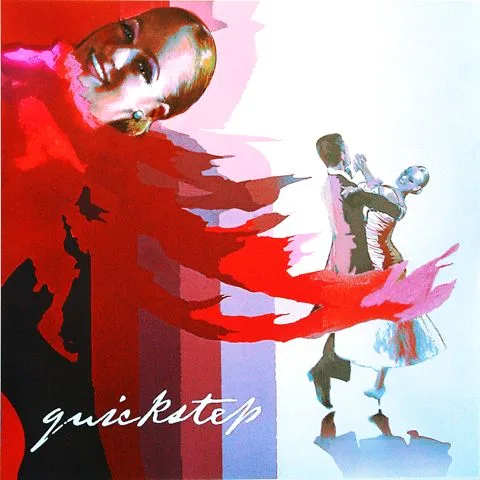
Quickstep poster artwork

Quickstep Electric

The Quickstep, also known as the “Quick-Time Foxtrot,” became popular in the 1920s. It is a non-stop explosion of dynamic energy speeding across the floor, and the music and movement will have your heart racing. It is often danced to the ever-popular “Sing, Sing, Sing.” The Quickstep combines the smooth, gliding steps of the Foxtrot with the quick, hopping steps of the Charleston. While dancing the Quickstep, you will fly across the floor with astonishing speed.

Latin & Rhythm

Sensual, rhythmic dances full of Cuban motion and fire.

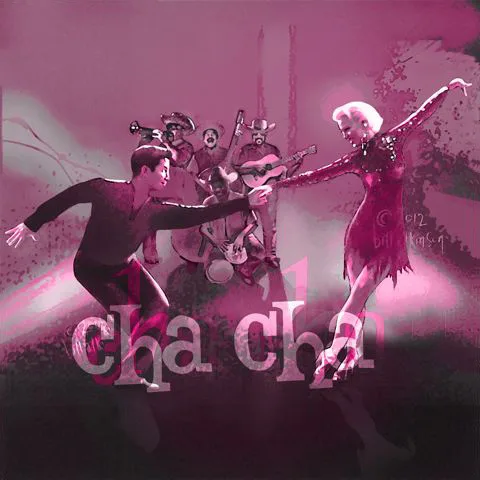
Cha Cha poster artwork

Cha Cha Flirtatious

The Cha Cha is the ultimate dance for fun and flirtation. Its mood is carefree and sassy, evoking a party atmosphere. The dance originated in the 1940s in New York as a modified Cuban Mambo. It is highly animated, with sexy body rhythms expressed through hip action called “Cuban motion.”

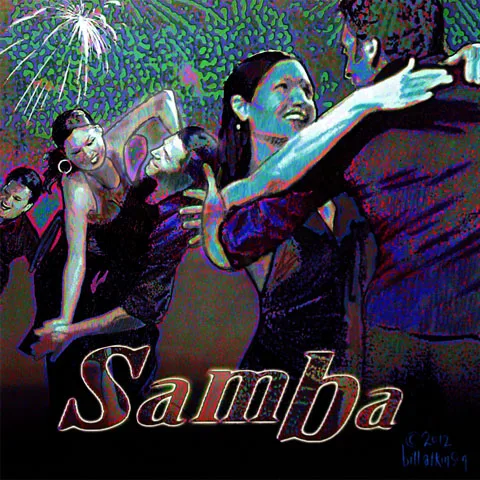
Samba poster artwork

Samba Vivacious

The most vivacious of the Latin dances, the Samba is the dance of the Brazilian Carnival. The music and movement are always upbeat and exciting, using Cuban motion and the signature Samba bounce. In the 1930s, an evolved form of the Samba came to the United Kingdom and then to the United States, popularized by films with Fred Astaire, Ginger Rogers and Carmen Miranda. Today, Samba rhythms are found on Top 40 radio and in clubs worldwide; Gwen Stefani’s “Hollaback Girl,” Will Smith’s “Switch” and Madonna’s “La Isla Bonita” are all excellent Samba songs.

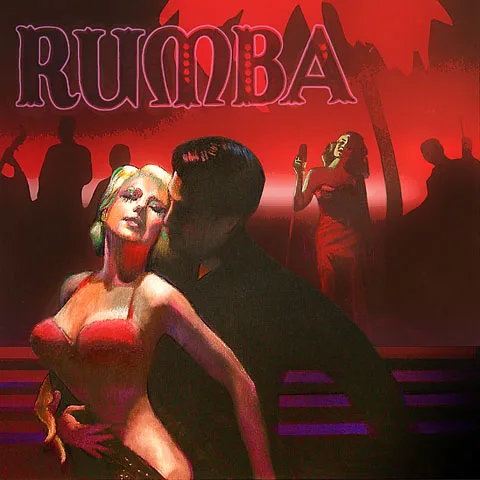
Rumba poster artwork

Rumba Seductive

The Rumba is the dance of desire and seduction, portraying dancers burning like fire and yearning for fulfillment. It is a suggestive dance with sexy body rhythms and the hip action called Cuban motion. The Rumba was introduced to America from Cuba in the mid-1920s. The study of Rumba emphasizes Cuban motion, balance, and an understanding of the male and female elements of dancing.

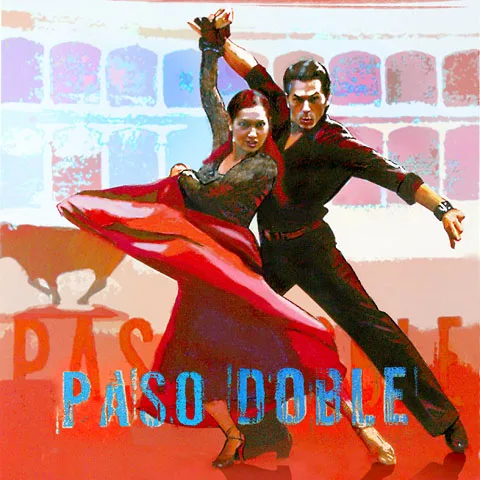
Paso Doble poster artwork

Paso Doble Fiery

The Paso Doble became fashionable around 1920. It is the most fiery and intense of the Latin dances, based on the movements of a matador during a bullfight, when the stakes are life or death. The woman often represents the matador’s cape or the bull. The exciting Paso Doble is generally a competitive dance, because it is built on choreography arranged specifically to the timing of the music.

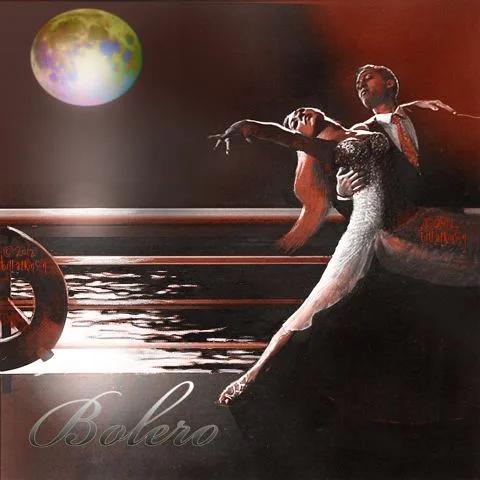
Bolero poster artwork

Bolero Tender

The Bolero came to the United States from Cuba in the 1930s. While the Rumba may be the dance of desire, the Bolero is the ultimate dance of love, characterized by slow, graceful movements. The music is often arranged with Spanish vocals, guitar and subtle percussion such as congas or bongos, though contemporary romantic ballads like “My Heart Will Go On” from Titanic are ideal for the Bolero.

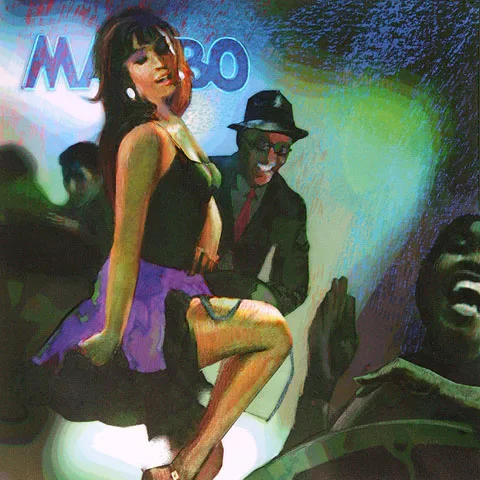
Mambo poster artwork

Salsa / Mambo Spicy

In theory, the Salsa and the Mambo are the same dance; the music for both is dictated by a common rhythm called the clave. Salsa literally means “sauce,” and hot, spicy and full of Latin flavor, the dance is true to its name. The Mambo originated in Cuba and was popularized in Mexico by Pérez Prado, while Salsa developed in nightclubs. Salsa focuses on footwork and fluidity of movement, while the Mambo incorporates dynamic body rhythms and more staccato elements. Either way, both are high-energy dances that are fun in any nightclub.

Swing & Nightclub

Playful, social and endlessly fun, from the Savoy to the disco floor.

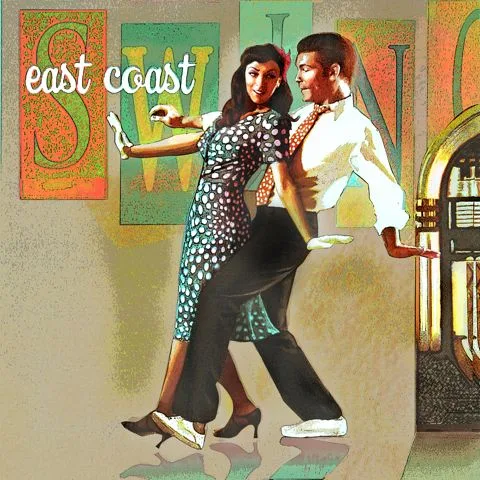
East Coast Swing poster artwork

East Coast Swing Versatile

East Coast Swing grew out of the Lindy Hop. By the mid-1930s the Lindy Hop was danced widely throughout the U.S. and Europe, and in the early ’40s it was refined into something less wild: East Coast Swing. Fun and energetic, it can be danced to rock and roll, country and swing music, making it one of the most versatile dances you can learn.

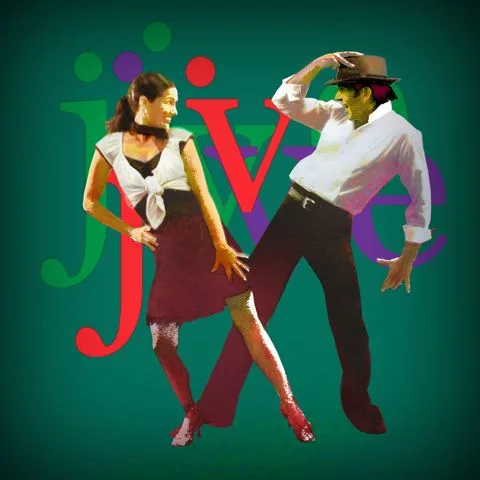
Jive poster artwork

Jive Playful

Jive is a fun, playful, all-American dance that is very fast and aerobically demanding. It evolved from the Jitterbug and was heavily influenced by swing forms such as the Boogie and Rock and Roll. The Jitterbug made its way to Europe in 1944 and was transformed into the Jive by London dance teacher Victor Silvester, who removed the acrobatics and added technique to create a more polished form of swing dancing.

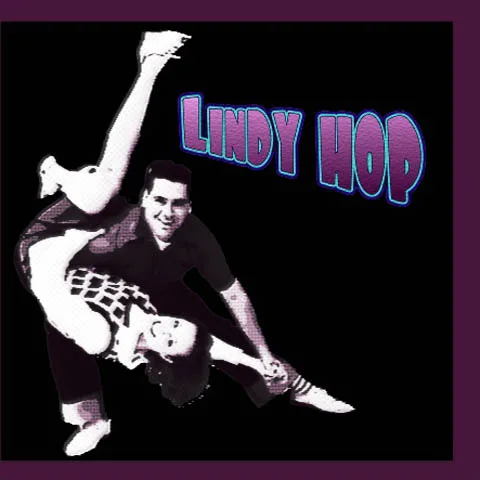
Lindy Hop poster artwork

Lindy Hop Joyful

The Lindy Hop dates back to the 1920s. Its popularity skyrocketed on March 26, 1926, when the Savoy Ballroom opened its doors in New York, attracting some of the best dancers in the city. The name was inspired in 1927 by a headline about Charles Lindbergh’s flight to Paris: “Lindy Hops the Atlantic.”

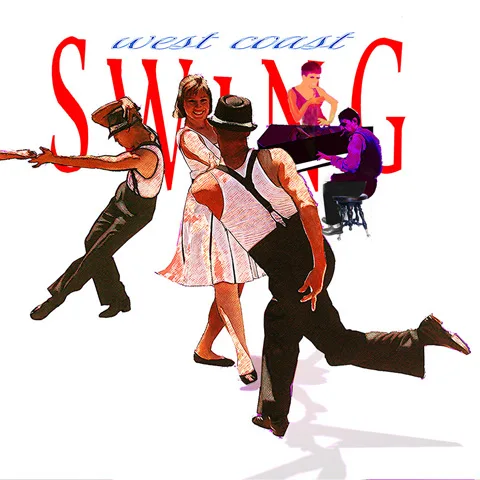
West Coast Swing poster artwork

West Coast Swing Improvisational

West Coast Swing is the state dance of California. Its origins are in the Lindy Hop, but it is distinctive because it travels in a linear “slot.” The dance existed in San Diego dance halls as far back as 1938. It is characterized by a particular connection that gives it a distinctive elasticity and dynamism. West Coast Swing is the most difficult and improvisational of the swing dances.

Hustle Disco

The Hustle is a fun dance performed to contemporary pop music, including the Bee Gees’ “Stayin’ Alive” and “More Than a Woman.” Like most disco dances, it has roots in the Samba, Cha Cha and Mambo, and it is believed to have originated in New York around 1970. Thanks to John Travolta and Saturday Night Fever, the Hustle became hugely popular. You move and spin constantly to energetic music, staying true to its name.

And more Ask us

We also teach Argentine Tango, Merengue, Cabaret and Theater Arts, and both American and International competitive styles. Don’t see the dance you’re looking for? Ask us; chances are we teach it.

Dance poster artwork by Bill Atkinson, courtesy of BallroomDancers.com

Find your dance

Try any style in your intro lessons